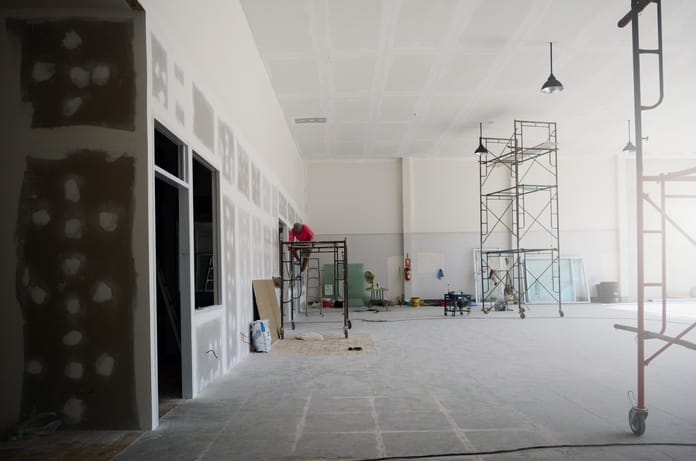
Renovating old buildings often reveals architectural charm and history, but it can also bring to light hidden health hazards that compromise safety. Understanding the risks associated with these structures is essential for homeowners, contractors, and anyone involved in the remodeling process. From harmful materials to outdated construction methods, the unseen health risks of remodeling old buildings have the potential to impact both short-term and long-term health.
The Hazards of Mold and Mildew
One of the most common health risks of remodeling old buildings is mold and mildew. Structures that have aged for decades or even centuries are often prone to water damage from leaks or improper drainage systems. Over time, this creates an ideal environment for mold to thrive, particularly in areas with poor ventilation.
Mold spores can cause respiratory issues, skin allergies, and aggravate conditions like asthma. Removing mold safely is crucial, as disturbing it can release spores into the air and increase exposure.
The Dangers of Asbestos
Old buildings constructed before the 1980s frequently contain asbestos, a mineral once popular for its fire-resistant and insulating properties. Found in insulation, ceiling tiles, flooring, and adhesives, asbestos becomes hazardous when its fibers are disturbed during renovations.
These fibers can be inhaled, leading to severe health issues such as asbestosis, lung cancer, and mesothelioma. If you’re not qualified to remove asbestos yourself, then it’s critically important to hire professionals for testing and removal, as DIY asbestos handling is both illegal and highly dangerous.
Lead Paint Exposure
Lead-based paint was widely used in buildings prior to its ban in the late 1970s. Remodeling an old home often involves scraping or sanding painted surfaces, which releases toxic lead particles into the air.
Long-term exposure to lead can cause severe neurological damage, especially in children and pregnant women. Even a small amount of lead dust can have lasting effects, so professional removal methods are critical for minimizing risks during renovations.
Radon Gas Risks
Radon, a naturally occurring radioactive gas, is another hidden danger lurking in old buildings. It seeps into homes through cracks in the foundation and is odorless and invisible, making it easy to overlook.
Prolonged exposure to radon is the leading cause of lung cancer in non-smokers. Testing for radon is a simple yet essential step before embarking on remodeling projects, as mitigation measures can prevent harmful levels from accumulating indoors.
Protecting Yourself During Remodeling Projects
Before undertaking any demolition work in an old building, it’s crucial to conduct thorough inspections for hazardous materials. Licensed professionals can test for asbestos, lead, radon, and mold, ensuring proper precautions are taken.
Wearing protective gear, such as respirators and disposable overalls, is another effective way to reduce exposure to airborne particles. Additionally, ensuring proper ventilation and following local safety regulations will help create a safer renovation environment.
Protect Yourself
While the charm of old buildings can be tempting, their hidden health risks demand proper care and attention. Being proactive about inspections, hiring qualified professionals, and following safety guidelines are key to avoiding potential hazards. Remodeling a historic property can be a rewarding experience, but prioritizing your health and safety is paramount throughout the process.

- Pittsburgh Better Times
- Pittsburgh Better Times
- Pittsburgh Better Times
- Pittsburgh Better Times
- Pittsburgh Better Times
- Pittsburgh Better Times
- Pittsburgh Better Times
- Pittsburgh Better Times
- Pittsburgh Better Times
- Pittsburgh Better Times
- Pittsburgh Better Times
- Pittsburgh Better Times
- Pittsburgh Better Times
- Pittsburgh Better Times
- Pittsburgh Better Times
- Pittsburgh Better Times
- Pittsburgh Better Times
- Pittsburgh Better Times
- Pittsburgh Better Times
- Pittsburgh Better Times
- Pittsburgh Better Times
- Pittsburgh Better Times
- Pittsburgh Better Times
- Pittsburgh Better Times
- Pittsburgh Better Times
- Pittsburgh Better Times
- Pittsburgh Better Times
- Pittsburgh Better Times
- Pittsburgh Better Times
- Pittsburgh Better Times
- Pittsburgh Better Times
- Pittsburgh Better Times
- Pittsburgh Better Times
- Pittsburgh Better Times
- Pittsburgh Better Times
- Pittsburgh Better Times
- Pittsburgh Better Times
- Pittsburgh Better Times
- Pittsburgh Better Times
- Pittsburgh Better Times
- Pittsburgh Better Times
- Pittsburgh Better Times
- Pittsburgh Better Times
- Pittsburgh Better Times
- Pittsburgh Better Times
- Pittsburgh Better Times
- Pittsburgh Better Times
- Pittsburgh Better Times
- Pittsburgh Better Times
- Pittsburgh Better Times
- Pittsburgh Better Times
- Pittsburgh Better Times
- Pittsburgh Better Times
- Pittsburgh Better Times
- Pittsburgh Better Times
- Pittsburgh Better Times
- Pittsburgh Better Times
- Pittsburgh Better Times
- Pittsburgh Better Times
- Pittsburgh Better Times
- Pittsburgh Better Times
- Pittsburgh Better Times
- Pittsburgh Better Times
- Pittsburgh Better Times
- Pittsburgh Better Times
- Pittsburgh Better Times
- Pittsburgh Better Times
- Pittsburgh Better Times
- Pittsburgh Better Times
- Pittsburgh Better Times
- Pittsburgh Better Times
- Pittsburgh Better Times
- Pittsburgh Better Times
- Pittsburgh Better Times
- Pittsburgh Better Times
- Pittsburgh Better Times
- Pittsburgh Better Times
- Pittsburgh Better Times
- Pittsburgh Better Times
- Pittsburgh Better Times
- Pittsburgh Better Times
- Pittsburgh Better Times
- Pittsburgh Better Times
- Pittsburgh Better Times
- Pittsburgh Better Times
- Pittsburgh Better Times
- Pittsburgh Better Times
- Pittsburgh Better Times
- Pittsburgh Better Times
- Pittsburgh Better Times
- Pittsburgh Better Times
- Pittsburgh Better Times
- Pittsburgh Better Times
- Pittsburgh Better Times
- Pittsburgh Better Times
- Pittsburgh Better Times
- Pittsburgh Better Times
- Pittsburgh Better Times
- Pittsburgh Better Times
- Pittsburgh Better Times
- Pittsburgh Better Times
- Pittsburgh Better Times
- Pittsburgh Better Times
- Pittsburgh Better Times
- Pittsburgh Better Times
- Pittsburgh Better Times
- Pittsburgh Better Times
- Pittsburgh Better Times
- Pittsburgh Better Times
- Pittsburgh Better Times
- Pittsburgh Better Times
- Pittsburgh Better Times
- Pittsburgh Better Times
- Pittsburgh Better Times
- Pittsburgh Better Times
- Pittsburgh Better Times
- Pittsburgh Better Times
- Pittsburgh Better Times
- Pittsburgh Better Times
- Pittsburgh Better Times
- Pittsburgh Better Times
- Pittsburgh Better Times
- Pittsburgh Better Times
- Pittsburgh Better Times
- Pittsburgh Better Times
- Pittsburgh Better Times
- Pittsburgh Better Times
- Pittsburgh Better Times
- Pittsburgh Better Times
- Pittsburgh Better Times
- Pittsburgh Better Times
- Pittsburgh Better Times
- Pittsburgh Better Times
- Pittsburgh Better Times
- Pittsburgh Better Times
- Pittsburgh Better Times
- Pittsburgh Better Times
- Pittsburgh Better Times
- Pittsburgh Better Times
- Pittsburgh Better Times
- Pittsburgh Better Times
- Pittsburgh Better Times
- Pittsburgh Better Times
- Pittsburgh Better Times
- Pittsburgh Better Times
- Pittsburgh Better Times
- Pittsburgh Better Times
- Pittsburgh Better Times
- Pittsburgh Better Times
- Pittsburgh Better Times
- Pittsburgh Better Times
- Pittsburgh Better Times
- Pittsburgh Better Times
- Pittsburgh Better Times
- Pittsburgh Better Times
- Pittsburgh Better Times
- Pittsburgh Better Times
- Pittsburgh Better Times
- Pittsburgh Better Times
- Pittsburgh Better Times
- Pittsburgh Better Times
- Pittsburgh Better Times
- Pittsburgh Better Times
- Pittsburgh Better Times
- Pittsburgh Better Times
- Pittsburgh Better Times
- Pittsburgh Better Times
- Pittsburgh Better Times
- Pittsburgh Better Times
- Pittsburgh Better Times
- Pittsburgh Better Times
- Pittsburgh Better Times
- Pittsburgh Better Times
- Pittsburgh Better Times
- Pittsburgh Better Times
- Pittsburgh Better Times
- Pittsburgh Better Times
- Pittsburgh Better Times
- Pittsburgh Better Times
- Pittsburgh Better Times
- Pittsburgh Better Times
- Pittsburgh Better Times
- Pittsburgh Better Times
- Pittsburgh Better Times
- Pittsburgh Better Times
- Pittsburgh Better Times
- Pittsburgh Better Times
- Pittsburgh Better Times
- Pittsburgh Better Times
- Pittsburgh Better Times
- Pittsburgh Better Times
- Pittsburgh Better Times
- Pittsburgh Better Times
- Pittsburgh Better Times
- Pittsburgh Better Times
- Pittsburgh Better Times
- Pittsburgh Better Times
- Pittsburgh Better Times
- Pittsburgh Better Times
- Pittsburgh Better Times
- Pittsburgh Better Times
- Pittsburgh Better Times
- Pittsburgh Better Times
- Pittsburgh Better Times
- Pittsburgh Better Times
- Pittsburgh Better Times
- Pittsburgh Better Times
- Pittsburgh Better Times
- Pittsburgh Better Times
- Pittsburgh Better Times
- Pittsburgh Better Times
- Pittsburgh Better Times
- Pittsburgh Better Times
- Pittsburgh Better Times
- Pittsburgh Better Times
- Pittsburgh Better Times
- Pittsburgh Better Times
- Pittsburgh Better Times
- Pittsburgh Better Times
- Pittsburgh Better Times
- Pittsburgh Better Times
- Pittsburgh Better Times
- Pittsburgh Better Times
- Pittsburgh Better Times
- Pittsburgh Better Times
- Pittsburgh Better Times
- Pittsburgh Better Times
- Pittsburgh Better Times
- Pittsburgh Better Times
- Pittsburgh Better Times
- Pittsburgh Better Times
- Pittsburgh Better Times
- Pittsburgh Better Times
- Pittsburgh Better Times
- Pittsburgh Better Times
- Pittsburgh Better Times
- Pittsburgh Better Times
- Pittsburgh Better Times
- Pittsburgh Better Times
- Pittsburgh Better Times
- Pittsburgh Better Times
- Pittsburgh Better Times
- Pittsburgh Better Times
- Pittsburgh Better Times
- Pittsburgh Better Times
- Pittsburgh Better Times
- Pittsburgh Better Times
- Pittsburgh Better Times
- Pittsburgh Better Times
- Pittsburgh Better Times
- Pittsburgh Better Times
- Pittsburgh Better Times
- Pittsburgh Better Times
- Pittsburgh Better Times
- Pittsburgh Better Times
- Pittsburgh Better Times
- Pittsburgh Better Times
- Pittsburgh Better Times
- Pittsburgh Better Times
- Pittsburgh Better Times
- Pittsburgh Better Times
- Pittsburgh Better Times
- Pittsburgh Better Times
- Pittsburgh Better Times
- Pittsburgh Better Times
- Pittsburgh Better Times
- Pittsburgh Better Times
- Pittsburgh Better Times
- Pittsburgh Better Times
- Pittsburgh Better Times
- Pittsburgh Better Times
- Pittsburgh Better Times
- Pittsburgh Better Times
- Pittsburgh Better Times
- Pittsburgh Better Times
- Pittsburgh Better Times
- Pittsburgh Better Times
- Pittsburgh Better Times
- Pittsburgh Better Times
- Pittsburgh Better Times
- Pittsburgh Better Times
- Pittsburgh Better Times
- Pittsburgh Better Times
- Pittsburgh Better Times
- Pittsburgh Better Times
- Pittsburgh Better Times
- Pittsburgh Better Times
- Pittsburgh Better Times
- Pittsburgh Better Times
- Pittsburgh Better Times
- Pittsburgh Better Times
- Pittsburgh Better Times
- Pittsburgh Better Times
- Pittsburgh Better Times
- Pittsburgh Better Times
- Pittsburgh Better Times
- Pittsburgh Better Times
- Pittsburgh Better Times
- Pittsburgh Better Times
- Pittsburgh Better Times
- Pittsburgh Better Times
- Pittsburgh Better Times
- Pittsburgh Better Times
- Pittsburgh Better Times
- Pittsburgh Better Times
- Pittsburgh Better Times
- Pittsburgh Better Times
- Pittsburgh Better Times
- Pittsburgh Better Times
- Pittsburgh Better Times
- Pittsburgh Better Times
- Pittsburgh Better Times
- Pittsburgh Better Times
- Pittsburgh Better Times
- Pittsburgh Better Times
- Pittsburgh Better Times
- Pittsburgh Better Times
- Pittsburgh Better Times
- Pittsburgh Better Times
- Pittsburgh Better Times
- Pittsburgh Better Times
- Pittsburgh Better Times
- Pittsburgh Better Times
- Pittsburgh Better Times
- Pittsburgh Better Times
- Pittsburgh Better Times
- Pittsburgh Better Times
- Pittsburgh Better Times
- Pittsburgh Better Times
- Pittsburgh Better Times
- Pittsburgh Better Times
- Pittsburgh Better Times
- Pittsburgh Better Times
- Pittsburgh Better Times
- Pittsburgh Better Times
- Pittsburgh Better Times
- Pittsburgh Better Times
- Pittsburgh Better Times
- Pittsburgh Better Times
- Pittsburgh Better Times
- Pittsburgh Better Times
- Pittsburgh Better Times
- Pittsburgh Better Times
- Pittsburgh Better Times
- Pittsburgh Better Times
- Pittsburgh Better Times
- Pittsburgh Better Times
- Pittsburgh Better Times
- Pittsburgh Better Times
- Pittsburgh Better Times
- Pittsburgh Better Times
- Pittsburgh Better Times
- Pittsburgh Better Times
- Pittsburgh Better Times
- Pittsburgh Better Times
- Pittsburgh Better Times
- Pittsburgh Better Times
- Pittsburgh Better Times
- Pittsburgh Better Times
- Pittsburgh Better Times
- Pittsburgh Better Times
- Pittsburgh Better Times
- Pittsburgh Better Times
- Pittsburgh Better Times
- Pittsburgh Better Times
- Pittsburgh Better Times
- Pittsburgh Better Times
- Pittsburgh Better Times
- Pittsburgh Better Times
- Pittsburgh Better Times
- Pittsburgh Better Times
- Pittsburgh Better Times
- Pittsburgh Better Times
- Pittsburgh Better Times
- Pittsburgh Better Times
- Pittsburgh Better Times
- Pittsburgh Better Times
- Pittsburgh Better Times
- Pittsburgh Better Times
- Pittsburgh Better Times
- Pittsburgh Better Times
- Pittsburgh Better Times
- Pittsburgh Better Times
- Pittsburgh Better Times
- Pittsburgh Better Times
- Pittsburgh Better Times
- Pittsburgh Better Times
- Pittsburgh Better Times
- Pittsburgh Better Times
- Pittsburgh Better Times
- Pittsburgh Better Times
- Pittsburgh Better Times
- Pittsburgh Better Times
- Pittsburgh Better Times
- Pittsburgh Better Times
- Pittsburgh Better Times
- Pittsburgh Better Times
- Pittsburgh Better Times
- Pittsburgh Better Times
- Pittsburgh Better Times
- Pittsburgh Better Times
- Pittsburgh Better Times
- Pittsburgh Better Times
- Pittsburgh Better Times
- Pittsburgh Better Times
- Pittsburgh Better Times
- Pittsburgh Better Times
- Pittsburgh Better Times
- Pittsburgh Better Times
- Pittsburgh Better Times
- Pittsburgh Better Times
- Pittsburgh Better Times
- Pittsburgh Better Times
- Pittsburgh Better Times
- Pittsburgh Better Times
- Pittsburgh Better Times
- Pittsburgh Better Times
- Pittsburgh Better Times
- Pittsburgh Better Times
- Pittsburgh Better Times
- Pittsburgh Better Times
- Pittsburgh Better Times
- Pittsburgh Better Times
- Pittsburgh Better Times
- Pittsburgh Better Times
- Pittsburgh Better Times
- Pittsburgh Better Times
- Pittsburgh Better Times
- Pittsburgh Better Times
- Pittsburgh Better Times
- Pittsburgh Better Times
- Pittsburgh Better Times
- Pittsburgh Better Times
- Pittsburgh Better Times
- Pittsburgh Better Times
- Pittsburgh Better Times
- Pittsburgh Better Times
- Pittsburgh Better Times
- Pittsburgh Better Times
- Pittsburgh Better Times
- Pittsburgh Better Times
- Pittsburgh Better Times
- Pittsburgh Better Times
- Pittsburgh Better Times
- Pittsburgh Better Times
- Pittsburgh Better Times
- Pittsburgh Better Times
- Pittsburgh Better Times
- Pittsburgh Better Times
- Pittsburgh Better Times
- Pittsburgh Better Times
- Pittsburgh Better Times
- Pittsburgh Better Times
- Pittsburgh Better Times
- Pittsburgh Better Times
- Pittsburgh Better Times
- Pittsburgh Better Times
- Pittsburgh Better Times
- Pittsburgh Better Times
- Pittsburgh Better Times
- Pittsburgh Better Times
- Pittsburgh Better Times
- Pittsburgh Better Times
- Pittsburgh Better Times
- Pittsburgh Better Times
- Pittsburgh Better Times
- Pittsburgh Better Times
- Pittsburgh Better Times
- Pittsburgh Better Times
- Pittsburgh Better Times
- Pittsburgh Better Times
- Pittsburgh Better Times
- Pittsburgh Better Times
- Pittsburgh Better Times
- Pittsburgh Better Times
- Pittsburgh Better Times
- Pittsburgh Better Times
- Pittsburgh Better Times
- Pittsburgh Better Times
- Pittsburgh Better Times
- Pittsburgh Better Times
- Pittsburgh Better Times
- Pittsburgh Better Times
- Pittsburgh Better Times
- Pittsburgh Better Times
- Pittsburgh Better Times
- Pittsburgh Better Times
- Pittsburgh Better Times
- Pittsburgh Better Times
- Pittsburgh Better Times
- Pittsburgh Better Times
- Pittsburgh Better Times
- Pittsburgh Better Times
- Pittsburgh Better Times
- Pittsburgh Better Times
- Pittsburgh Better Times
- Pittsburgh Better Times
- Pittsburgh Better Times
- Pittsburgh Better Times
- Pittsburgh Better Times
- Pittsburgh Better Times
- Pittsburgh Better Times
- Pittsburgh Better Times
- Pittsburgh Better Times
- Pittsburgh Better Times
- Pittsburgh Better Times
- Pittsburgh Better Times
- Pittsburgh Better Times
- Pittsburgh Better Times
- Pittsburgh Better Times
- Pittsburgh Better Times
- Pittsburgh Better Times
- Pittsburgh Better Times
- Pittsburgh Better Times
- Pittsburgh Better Times
- Pittsburgh Better Times
- Pittsburgh Better Times
- Pittsburgh Better Times
- Pittsburgh Better Times
- Pittsburgh Better Times
- Pittsburgh Better Times
- Pittsburgh Better Times
- Pittsburgh Better Times
- Pittsburgh Better Times
- Pittsburgh Better Times
- Pittsburgh Better Times
- Pittsburgh Better Times
- Pittsburgh Better Times
- Pittsburgh Better Times
- Pittsburgh Better Times
- Pittsburgh Better Times
- Pittsburgh Better Times
- Pittsburgh Better Times
- Pittsburgh Better Times
- Pittsburgh Better Times
- Pittsburgh Better Times
- Pittsburgh Better Times
- Pittsburgh Better Times
- Pittsburgh Better Times
- Pittsburgh Better Times
- Pittsburgh Better Times
- Pittsburgh Better Times
- Pittsburgh Better Times
- Pittsburgh Better Times
- Pittsburgh Better Times
- Pittsburgh Better Times
- Pittsburgh Better Times
- Pittsburgh Better Times
- Pittsburgh Better Times
- Pittsburgh Better Times
- Pittsburgh Better Times
- Pittsburgh Better Times
- Pittsburgh Better Times
- Pittsburgh Better Times
- Pittsburgh Better Times
- Pittsburgh Better Times
- Pittsburgh Better Times
- Pittsburgh Better Times
- Pittsburgh Better Times
- Pittsburgh Better Times
- Pittsburgh Better Times
- Pittsburgh Better Times
- Pittsburgh Better Times
- Pittsburgh Better Times
- Pittsburgh Better Times
- Pittsburgh Better Times
- Pittsburgh Better Times
- Pittsburgh Better Times
- Pittsburgh Better Times
- Pittsburgh Better Times
- Pittsburgh Better Times
- Pittsburgh Better Times
- Pittsburgh Better Times
- Pittsburgh Better Times
- Pittsburgh Better Times
- Pittsburgh Better Times
- Pittsburgh Better Times
- Pittsburgh Better Times
- Pittsburgh Better Times
- Pittsburgh Better Times
- Pittsburgh Better Times
- Pittsburgh Better Times
- Pittsburgh Better Times
- Pittsburgh Better Times
- Pittsburgh Better Times
- Pittsburgh Better Times
- Pittsburgh Better Times
- Pittsburgh Better Times
- Pittsburgh Better Times
- Pittsburgh Better Times
- Pittsburgh Better Times
- Pittsburgh Better Times
- Pittsburgh Better Times
- Pittsburgh Better Times
- Pittsburgh Better Times
- Pittsburgh Better Times
- Pittsburgh Better Times
- Pittsburgh Better Times
- Pittsburgh Better Times
- Pittsburgh Better Times
- Pittsburgh Better Times
- Pittsburgh Better Times
- Pittsburgh Better Times
- Pittsburgh Better Times
- Pittsburgh Better Times
- Pittsburgh Better Times
- Pittsburgh Better Times
- Pittsburgh Better Times
- Pittsburgh Better Times
- Pittsburgh Better Times
- Pittsburgh Better Times
- Pittsburgh Better Times
- Pittsburgh Better Times
- Pittsburgh Better Times
- Pittsburgh Better Times
- Pittsburgh Better Times
- Pittsburgh Better Times
- Pittsburgh Better Times
- Pittsburgh Better Times
- Pittsburgh Better Times
- Pittsburgh Better Times
- Pittsburgh Better Times
- Pittsburgh Better Times
- Pittsburgh Better Times
- Pittsburgh Better Times
- Pittsburgh Better Times
- Pittsburgh Better Times
- Pittsburgh Better Times
- Pittsburgh Better Times
- Pittsburgh Better Times
- Pittsburgh Better Times
- Pittsburgh Better Times
- Pittsburgh Better Times
- Pittsburgh Better Times
- Pittsburgh Better Times
- Pittsburgh Better Times
- Pittsburgh Better Times
- Pittsburgh Better Times
- Pittsburgh Better Times
- Pittsburgh Better Times
- Pittsburgh Better Times
- Pittsburgh Better Times
- Pittsburgh Better Times
- Pittsburgh Better Times
- Pittsburgh Better Times
- Pittsburgh Better Times
- Pittsburgh Better Times
- Pittsburgh Better Times
- Pittsburgh Better Times
- Pittsburgh Better Times
- Pittsburgh Better Times
- Pittsburgh Better Times
- Pittsburgh Better Times
- Pittsburgh Better Times
- Pittsburgh Better Times
- Pittsburgh Better Times
- Pittsburgh Better Times
- Pittsburgh Better Times
- Pittsburgh Better Times
- Pittsburgh Better Times
- Pittsburgh Better Times
- Pittsburgh Better Times
- Pittsburgh Better Times
- Pittsburgh Better Times
- Pittsburgh Better Times
- Pittsburgh Better Times
- Pittsburgh Better Times
- Pittsburgh Better Times
- Pittsburgh Better Times
- Pittsburgh Better Times
- Pittsburgh Better Times
- Pittsburgh Better Times
- Pittsburgh Better Times
- Pittsburgh Better Times
- Pittsburgh Better Times
- Pittsburgh Better Times
- Pittsburgh Better Times
- Pittsburgh Better Times
- Pittsburgh Better Times
- Pittsburgh Better Times
- Pittsburgh Better Times
- Pittsburgh Better Times
- Pittsburgh Better Times
- Pittsburgh Better Times
- Pittsburgh Better Times
- Pittsburgh Better Times
- Pittsburgh Better Times
- Pittsburgh Better Times
- Pittsburgh Better Times
- Pittsburgh Better Times
- Pittsburgh Better Times
- Pittsburgh Better Times
- Pittsburgh Better Times
- Pittsburgh Better Times
- Pittsburgh Better Times
- Pittsburgh Better Times
- Pittsburgh Better Times
- Pittsburgh Better Times
- Pittsburgh Better Times
- Pittsburgh Better Times
- Pittsburgh Better Times
- Pittsburgh Better Times
- Pittsburgh Better Times
- Pittsburgh Better Times
- Pittsburgh Better Times
- Pittsburgh Better Times
- Pittsburgh Better Times
- Pittsburgh Better Times
- Pittsburgh Better Times
- Pittsburgh Better Times
- Pittsburgh Better Times
- Pittsburgh Better Times
- Pittsburgh Better Times
- Pittsburgh Better Times
- Pittsburgh Better Times
- Pittsburgh Better Times
- Pittsburgh Better Times
- Pittsburgh Better Times
- Pittsburgh Better Times
- Pittsburgh Better Times
- Pittsburgh Better Times
- Pittsburgh Better Times
- Pittsburgh Better Times
- Pittsburgh Better Times
- Pittsburgh Better Times
- Pittsburgh Better Times
- Pittsburgh Better Times
- Pittsburgh Better Times
- Pittsburgh Better Times
- Pittsburgh Better Times
- Pittsburgh Better Times
- Pittsburgh Better Times
- Pittsburgh Better Times
- Pittsburgh Better Times
- Pittsburgh Better Times
- Pittsburgh Better Times
- Pittsburgh Better Times
- Pittsburgh Better Times
- Pittsburgh Better Times
- Pittsburgh Better Times
- Pittsburgh Better Times
- Pittsburgh Better Times
- Pittsburgh Better Times
- Pittsburgh Better Times
- Pittsburgh Better Times
- Pittsburgh Better Times
- Pittsburgh Better Times
- Pittsburgh Better Times
- Pittsburgh Better Times
- Pittsburgh Better Times
- Pittsburgh Better Times
- Pittsburgh Better Times
- Pittsburgh Better Times
- Pittsburgh Better Times
- Pittsburgh Better Times
- Pittsburgh Better Times
- Pittsburgh Better Times
- Pittsburgh Better Times
- Pittsburgh Better Times
- Pittsburgh Better Times
- Pittsburgh Better Times
- Pittsburgh Better Times
- Pittsburgh Better Times
- Pittsburgh Better Times
- Pittsburgh Better Times
- Pittsburgh Better Times
- Pittsburgh Better Times
- Pittsburgh Better Times
- Pittsburgh Better Times
- Pittsburgh Better Times
- Pittsburgh Better Times
- Pittsburgh Better Times
- Pittsburgh Better Times
- Pittsburgh Better Times
- Pittsburgh Better Times
- Pittsburgh Better Times
- Pittsburgh Better Times
- Pittsburgh Better Times
- Pittsburgh Better Times
- Pittsburgh Better Times
- Pittsburgh Better Times
- Pittsburgh Better Times
- Pittsburgh Better Times
- Pittsburgh Better Times
- Pittsburgh Better Times
- Pittsburgh Better Times
- Pittsburgh Better Times
- Pittsburgh Better Times
- Pittsburgh Better Times
- Pittsburgh Better Times
- Pittsburgh Better Times
- Pittsburgh Better Times
- Pittsburgh Better Times
- Pittsburgh Better Times
- Pittsburgh Better Times
- Pittsburgh Better Times
- Pittsburgh Better Times
- Pittsburgh Better Times
- Pittsburgh Better Times
- Pittsburgh Better Times
- Pittsburgh Better Times
- Pittsburgh Better Times
- Pittsburgh Better Times
- Pittsburgh Better Times
- Pittsburgh Better Times
- Pittsburgh Better Times
- Pittsburgh Better Times
- Pittsburgh Better Times
- Pittsburgh Better Times
- Pittsburgh Better Times
- Pittsburgh Better Times
- Pittsburgh Better Times
- Pittsburgh Better Times
- Pittsburgh Better Times
- Pittsburgh Better Times
- Pittsburgh Better Times
- Pittsburgh Better Times
- Pittsburgh Better Times
- Pittsburgh Better Times
- Pittsburgh Better Times
- Pittsburgh Better Times
- Pittsburgh Better Times
- Pittsburgh Better Times
- Pittsburgh Better Times
- Pittsburgh Better Times
- Pittsburgh Better Times
- Pittsburgh Better Times
- Pittsburgh Better Times
- Pittsburgh Better Times
- Pittsburgh Better Times
- Pittsburgh Better Times
- Pittsburgh Better Times
- Pittsburgh Better Times
- Pittsburgh Better Times
- Pittsburgh Better Times
- Pittsburgh Better Times
- Pittsburgh Better Times
- Pittsburgh Better Times
- Pittsburgh Better Times
- Pittsburgh Better Times
- Pittsburgh Better Times
- Pittsburgh Better Times
- Pittsburgh Better Times
- Pittsburgh Better Times
- Pittsburgh Better Times
- Pittsburgh Better Times
- Pittsburgh Better Times
- Pittsburgh Better Times
- Pittsburgh Better Times
- Pittsburgh Better Times
- Pittsburgh Better Times
- Pittsburgh Better Times
- Pittsburgh Better Times
- Pittsburgh Better Times
- Pittsburgh Better Times
- Pittsburgh Better Times
- Pittsburgh Better Times
- Pittsburgh Better Times
- Pittsburgh Better Times
- Pittsburgh Better Times
- Pittsburgh Better Times
- Pittsburgh Better Times
- Pittsburgh Better Times
- Pittsburgh Better Times
- Pittsburgh Better Times
- Pittsburgh Better Times
- Pittsburgh Better Times
- Pittsburgh Better Times
- Pittsburgh Better Times
- Pittsburgh Better Times
- Pittsburgh Better Times
- Pittsburgh Better Times
- Pittsburgh Better Times
- Pittsburgh Better Times
- Pittsburgh Better Times
- Pittsburgh Better Times
- Pittsburgh Better Times
- Pittsburgh Better Times
- Pittsburgh Better Times
- Pittsburgh Better Times
- Pittsburgh Better Times
- Pittsburgh Better Times
- Pittsburgh Better Times
- Pittsburgh Better Times
- Pittsburgh Better Times
- Pittsburgh Better Times
- Pittsburgh Better Times
- Pittsburgh Better Times
- Pittsburgh Better Times
- Pittsburgh Better Times
- Pittsburgh Better Times
- Pittsburgh Better Times
- Pittsburgh Better Times
- Pittsburgh Better Times
- Pittsburgh Better Times
- Pittsburgh Better Times
- Pittsburgh Better Times
- Pittsburgh Better Times
- Pittsburgh Better Times
- Pittsburgh Better Times
- Pittsburgh Better Times
- Pittsburgh Better Times
- Pittsburgh Better Times
- Pittsburgh Better Times
- Pittsburgh Better Times
- Pittsburgh Better Times
- Pittsburgh Better Times
- Pittsburgh Better Times
- Pittsburgh Better Times
- Pittsburgh Better Times
- Pittsburgh Better Times


