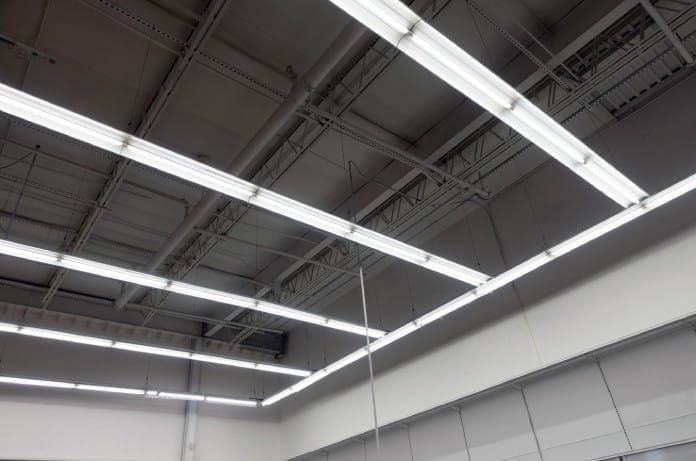
Maintaining a safe and efficient warehouse environment hinges on several factors, but lighting plays a pivotal role in ensuring smooth operations and accident prevention. Thoughtfully planned lighting optimizes visibility, enhances workflow, and minimizes hazards. Keep reading to explore the most effective ways to strengthen warehouse safety through lighting techniques.
Evaluate the Existing Lighting Layout
The first step to enhancing safety is assessing the current lighting setup. Inadequate lighting can create dark patches along aisles, poorly lit shelving areas, or dim receiving bays, where workers might struggle to notice hazards. Walk through your warehouse during operational hours to identify regions where visibility could be improved.
Switching to advanced lighting options enhances efficiency and provides brighter illumination than traditional halogen or fluorescent systems. Additionally, optimize fixture placement to eliminate shadows that may hide potential hazards.
Strategies for Better Visibility
- Layered Lighting: Combining ambient, task, and accent lighting minimizes glare and shadows while providing even illumination throughout a warehouse. Highlight workstations and areas requiring precision, such as packing stations, with directed task lighting.
- Motion Sensors: Retrofit your lighting system with motion sensors to illuminate low-traffic areas only when in use. This not only increases safety during off-hours but also improves energy efficiency, as lights won’t remain unnecessarily active.
- Color Temperature and Brightness: Choose lighting with a high color rendering index (CRI) and appropriate color temperatures to enhance visibility. Cooler tones ranging from 4000K to 5000K work well for areas requiring accuracy, as they closely mimic daylight brightness, promoting alertness among employees.
Improve Pathway and Trucking Safety
Warehouses often house forklifts and pedestrian traffic, meaning clear visibility along pathways is non-negotiable. Install well-placed fixtures along aisles, crosswalks, and docking areas to minimize blind spots. Use strip lighting or floor markings to guide operators and pedestrians around high-risk zones.
Upgrading to LED Lighting
Switching to LED lighting offers several advantages over outdated systems, such as superior brightness and minimal maintenance. With LED retrofitting, facilities benefit from reduced energy bills, enhanced visual accuracy, and improved lighting control. Upgrading also reduces workplace incidents caused by insufficient lighting, thereby ensuring compliance with safety regulations.
Maintenance as a Safety Priority
Regular maintenance is crucial for keeping lighting systems in top condition. Dust buildup on fixtures can reduce brightness by up to 50%, creating uneven lighting in work areas. Establish a cleaning schedule, inspect for damages, and replace defective fixtures. Proactively addressing these issues will significantly improve visibility and reduce any operation-related risks.
Well-planned lighting solutions create safer, more efficient workspaces that prioritize employee well-being and boost productivity. From focusing on top ways to improve warehouse safety with lighting to embracing LED advancements, it’s clear that lighting directly impacts both safety and efficiency. Combine innovative lighting options with proactive maintenance to ensure a warehouse that’s both seamlessly operational and protective.

- Pittsburgh Better Times
- Pittsburgh Better Times
- Pittsburgh Better Times
- Pittsburgh Better Times
- Pittsburgh Better Times
- Pittsburgh Better Times
- Pittsburgh Better Times
- Pittsburgh Better Times
- Pittsburgh Better Times
- Pittsburgh Better Times
- Pittsburgh Better Times
- Pittsburgh Better Times
- Pittsburgh Better Times
- Pittsburgh Better Times
- Pittsburgh Better Times
- Pittsburgh Better Times
- Pittsburgh Better Times
- Pittsburgh Better Times
- Pittsburgh Better Times
- Pittsburgh Better Times
- Pittsburgh Better Times
- Pittsburgh Better Times
- Pittsburgh Better Times
- Pittsburgh Better Times
- Pittsburgh Better Times
- Pittsburgh Better Times
- Pittsburgh Better Times
- Pittsburgh Better Times
- Pittsburgh Better Times
- Pittsburgh Better Times
- Pittsburgh Better Times
- Pittsburgh Better Times
- Pittsburgh Better Times
- Pittsburgh Better Times
- Pittsburgh Better Times
- Pittsburgh Better Times
- Pittsburgh Better Times
- Pittsburgh Better Times
- Pittsburgh Better Times
- Pittsburgh Better Times
- Pittsburgh Better Times
- Pittsburgh Better Times
- Pittsburgh Better Times
- Pittsburgh Better Times
- Pittsburgh Better Times
- Pittsburgh Better Times
- Pittsburgh Better Times
- Pittsburgh Better Times
- Pittsburgh Better Times
- Pittsburgh Better Times
- Pittsburgh Better Times
- Pittsburgh Better Times
- Pittsburgh Better Times
- Pittsburgh Better Times
- Pittsburgh Better Times
- Pittsburgh Better Times
- Pittsburgh Better Times
- Pittsburgh Better Times
- Pittsburgh Better Times
- Pittsburgh Better Times
- Pittsburgh Better Times
- Pittsburgh Better Times
- Pittsburgh Better Times
- Pittsburgh Better Times
- Pittsburgh Better Times
- Pittsburgh Better Times
- Pittsburgh Better Times
- Pittsburgh Better Times
- Pittsburgh Better Times
- Pittsburgh Better Times
- Pittsburgh Better Times
- Pittsburgh Better Times
- Pittsburgh Better Times
- Pittsburgh Better Times
- Pittsburgh Better Times
- Pittsburgh Better Times
- Pittsburgh Better Times
- Pittsburgh Better Times
- Pittsburgh Better Times
- Pittsburgh Better Times
- Pittsburgh Better Times
- Pittsburgh Better Times
- Pittsburgh Better Times
- Pittsburgh Better Times
- Pittsburgh Better Times
- Pittsburgh Better Times
- Pittsburgh Better Times
- Pittsburgh Better Times
- Pittsburgh Better Times
- Pittsburgh Better Times
- Pittsburgh Better Times
- Pittsburgh Better Times
- Pittsburgh Better Times
- Pittsburgh Better Times
- Pittsburgh Better Times
- Pittsburgh Better Times
- Pittsburgh Better Times
- Pittsburgh Better Times
- Pittsburgh Better Times
- Pittsburgh Better Times
- Pittsburgh Better Times
- Pittsburgh Better Times
- Pittsburgh Better Times
- Pittsburgh Better Times
- Pittsburgh Better Times
- Pittsburgh Better Times
- Pittsburgh Better Times
- Pittsburgh Better Times
- Pittsburgh Better Times
- Pittsburgh Better Times
- Pittsburgh Better Times
- Pittsburgh Better Times
- Pittsburgh Better Times
- Pittsburgh Better Times
- Pittsburgh Better Times
- Pittsburgh Better Times
- Pittsburgh Better Times
- Pittsburgh Better Times
- Pittsburgh Better Times
- Pittsburgh Better Times
- Pittsburgh Better Times
- Pittsburgh Better Times
- Pittsburgh Better Times
- Pittsburgh Better Times
- Pittsburgh Better Times
- Pittsburgh Better Times
- Pittsburgh Better Times
- Pittsburgh Better Times
- Pittsburgh Better Times
- Pittsburgh Better Times
- Pittsburgh Better Times
- Pittsburgh Better Times
- Pittsburgh Better Times
- Pittsburgh Better Times
- Pittsburgh Better Times
- Pittsburgh Better Times
- Pittsburgh Better Times
- Pittsburgh Better Times
- Pittsburgh Better Times
- Pittsburgh Better Times
- Pittsburgh Better Times
- Pittsburgh Better Times
- Pittsburgh Better Times
- Pittsburgh Better Times
- Pittsburgh Better Times
- Pittsburgh Better Times
- Pittsburgh Better Times
- Pittsburgh Better Times
- Pittsburgh Better Times
- Pittsburgh Better Times
- Pittsburgh Better Times
- Pittsburgh Better Times
- Pittsburgh Better Times
- Pittsburgh Better Times
- Pittsburgh Better Times
- Pittsburgh Better Times
- Pittsburgh Better Times
- Pittsburgh Better Times
- Pittsburgh Better Times
- Pittsburgh Better Times
- Pittsburgh Better Times
- Pittsburgh Better Times
- Pittsburgh Better Times
- Pittsburgh Better Times
- Pittsburgh Better Times
- Pittsburgh Better Times
- Pittsburgh Better Times
- Pittsburgh Better Times
- Pittsburgh Better Times
- Pittsburgh Better Times
- Pittsburgh Better Times
- Pittsburgh Better Times
- Pittsburgh Better Times
- Pittsburgh Better Times
- Pittsburgh Better Times
- Pittsburgh Better Times
- Pittsburgh Better Times
- Pittsburgh Better Times
- Pittsburgh Better Times
- Pittsburgh Better Times
- Pittsburgh Better Times
- Pittsburgh Better Times
- Pittsburgh Better Times
- Pittsburgh Better Times
- Pittsburgh Better Times
- Pittsburgh Better Times
- Pittsburgh Better Times
- Pittsburgh Better Times
- Pittsburgh Better Times
- Pittsburgh Better Times
- Pittsburgh Better Times
- Pittsburgh Better Times
- Pittsburgh Better Times
- Pittsburgh Better Times
- Pittsburgh Better Times
- Pittsburgh Better Times
- Pittsburgh Better Times
- Pittsburgh Better Times
- Pittsburgh Better Times
- Pittsburgh Better Times
- Pittsburgh Better Times
- Pittsburgh Better Times
- Pittsburgh Better Times
- Pittsburgh Better Times
- Pittsburgh Better Times
- Pittsburgh Better Times
- Pittsburgh Better Times
- Pittsburgh Better Times
- Pittsburgh Better Times
- Pittsburgh Better Times
- Pittsburgh Better Times
- Pittsburgh Better Times
- Pittsburgh Better Times
- Pittsburgh Better Times
- Pittsburgh Better Times
- Pittsburgh Better Times
- Pittsburgh Better Times
- Pittsburgh Better Times
- Pittsburgh Better Times
- Pittsburgh Better Times
- Pittsburgh Better Times
- Pittsburgh Better Times
- Pittsburgh Better Times
- Pittsburgh Better Times
- Pittsburgh Better Times
- Pittsburgh Better Times
- Pittsburgh Better Times
- Pittsburgh Better Times
- Pittsburgh Better Times
- Pittsburgh Better Times
- Pittsburgh Better Times
- Pittsburgh Better Times
- Pittsburgh Better Times
- Pittsburgh Better Times
- Pittsburgh Better Times
- Pittsburgh Better Times
- Pittsburgh Better Times
- Pittsburgh Better Times
- Pittsburgh Better Times
- Pittsburgh Better Times
- Pittsburgh Better Times
- Pittsburgh Better Times
- Pittsburgh Better Times
- Pittsburgh Better Times
- Pittsburgh Better Times
- Pittsburgh Better Times
- Pittsburgh Better Times
- Pittsburgh Better Times
- Pittsburgh Better Times
- Pittsburgh Better Times
- Pittsburgh Better Times
- Pittsburgh Better Times
- Pittsburgh Better Times
- Pittsburgh Better Times
- Pittsburgh Better Times
- Pittsburgh Better Times
- Pittsburgh Better Times
- Pittsburgh Better Times
- Pittsburgh Better Times
- Pittsburgh Better Times
- Pittsburgh Better Times
- Pittsburgh Better Times
- Pittsburgh Better Times
- Pittsburgh Better Times
- Pittsburgh Better Times
- Pittsburgh Better Times
- Pittsburgh Better Times
- Pittsburgh Better Times
- Pittsburgh Better Times
- Pittsburgh Better Times
- Pittsburgh Better Times
- Pittsburgh Better Times
- Pittsburgh Better Times
- Pittsburgh Better Times
- Pittsburgh Better Times
- Pittsburgh Better Times
- Pittsburgh Better Times
- Pittsburgh Better Times
- Pittsburgh Better Times
- Pittsburgh Better Times
- Pittsburgh Better Times
- Pittsburgh Better Times
- Pittsburgh Better Times
- Pittsburgh Better Times
- Pittsburgh Better Times
- Pittsburgh Better Times
- Pittsburgh Better Times
- Pittsburgh Better Times
- Pittsburgh Better Times
- Pittsburgh Better Times
- Pittsburgh Better Times
- Pittsburgh Better Times
- Pittsburgh Better Times
- Pittsburgh Better Times
- Pittsburgh Better Times
- Pittsburgh Better Times
- Pittsburgh Better Times
- Pittsburgh Better Times
- Pittsburgh Better Times
- Pittsburgh Better Times
- Pittsburgh Better Times
- Pittsburgh Better Times
- Pittsburgh Better Times
- Pittsburgh Better Times
- Pittsburgh Better Times
- Pittsburgh Better Times
- Pittsburgh Better Times
- Pittsburgh Better Times
- Pittsburgh Better Times
- Pittsburgh Better Times
- Pittsburgh Better Times
- Pittsburgh Better Times
- Pittsburgh Better Times
- Pittsburgh Better Times
- Pittsburgh Better Times
- Pittsburgh Better Times
- Pittsburgh Better Times
- Pittsburgh Better Times
- Pittsburgh Better Times
- Pittsburgh Better Times
- Pittsburgh Better Times
- Pittsburgh Better Times
- Pittsburgh Better Times
- Pittsburgh Better Times
- Pittsburgh Better Times
- Pittsburgh Better Times
- Pittsburgh Better Times
- Pittsburgh Better Times
- Pittsburgh Better Times
- Pittsburgh Better Times
- Pittsburgh Better Times
- Pittsburgh Better Times
- Pittsburgh Better Times
- Pittsburgh Better Times
- Pittsburgh Better Times
- Pittsburgh Better Times
- Pittsburgh Better Times
- Pittsburgh Better Times
- Pittsburgh Better Times
- Pittsburgh Better Times
- Pittsburgh Better Times
- Pittsburgh Better Times
- Pittsburgh Better Times
- Pittsburgh Better Times
- Pittsburgh Better Times
- Pittsburgh Better Times
- Pittsburgh Better Times
- Pittsburgh Better Times
- Pittsburgh Better Times
- Pittsburgh Better Times
- Pittsburgh Better Times
- Pittsburgh Better Times
- Pittsburgh Better Times
- Pittsburgh Better Times
- Pittsburgh Better Times
- Pittsburgh Better Times
- Pittsburgh Better Times
- Pittsburgh Better Times
- Pittsburgh Better Times
- Pittsburgh Better Times
- Pittsburgh Better Times
- Pittsburgh Better Times
- Pittsburgh Better Times
- Pittsburgh Better Times
- Pittsburgh Better Times
- Pittsburgh Better Times
- Pittsburgh Better Times
- Pittsburgh Better Times
- Pittsburgh Better Times
- Pittsburgh Better Times
- Pittsburgh Better Times
- Pittsburgh Better Times
- Pittsburgh Better Times
- Pittsburgh Better Times
- Pittsburgh Better Times
- Pittsburgh Better Times
- Pittsburgh Better Times
- Pittsburgh Better Times
- Pittsburgh Better Times
- Pittsburgh Better Times
- Pittsburgh Better Times
- Pittsburgh Better Times
- Pittsburgh Better Times
- Pittsburgh Better Times
- Pittsburgh Better Times
- Pittsburgh Better Times
- Pittsburgh Better Times
- Pittsburgh Better Times
- Pittsburgh Better Times
- Pittsburgh Better Times
- Pittsburgh Better Times
- Pittsburgh Better Times
- Pittsburgh Better Times
- Pittsburgh Better Times
- Pittsburgh Better Times
- Pittsburgh Better Times
- Pittsburgh Better Times
- Pittsburgh Better Times
- Pittsburgh Better Times
- Pittsburgh Better Times
- Pittsburgh Better Times
- Pittsburgh Better Times
- Pittsburgh Better Times
- Pittsburgh Better Times
- Pittsburgh Better Times
- Pittsburgh Better Times
- Pittsburgh Better Times
- Pittsburgh Better Times
- Pittsburgh Better Times
- Pittsburgh Better Times
- Pittsburgh Better Times
- Pittsburgh Better Times
- Pittsburgh Better Times
- Pittsburgh Better Times
- Pittsburgh Better Times
- Pittsburgh Better Times
- Pittsburgh Better Times
- Pittsburgh Better Times
- Pittsburgh Better Times
- Pittsburgh Better Times
- Pittsburgh Better Times
- Pittsburgh Better Times
- Pittsburgh Better Times
- Pittsburgh Better Times
- Pittsburgh Better Times
- Pittsburgh Better Times
- Pittsburgh Better Times
- Pittsburgh Better Times
- Pittsburgh Better Times
- Pittsburgh Better Times
- Pittsburgh Better Times
- Pittsburgh Better Times
- Pittsburgh Better Times
- Pittsburgh Better Times
- Pittsburgh Better Times
- Pittsburgh Better Times
- Pittsburgh Better Times
- Pittsburgh Better Times
- Pittsburgh Better Times
- Pittsburgh Better Times
- Pittsburgh Better Times
- Pittsburgh Better Times
- Pittsburgh Better Times
- Pittsburgh Better Times
- Pittsburgh Better Times
- Pittsburgh Better Times
- Pittsburgh Better Times
- Pittsburgh Better Times
- Pittsburgh Better Times
- Pittsburgh Better Times
- Pittsburgh Better Times
- Pittsburgh Better Times
- Pittsburgh Better Times
- Pittsburgh Better Times
- Pittsburgh Better Times
- Pittsburgh Better Times
- Pittsburgh Better Times
- Pittsburgh Better Times
- Pittsburgh Better Times
- Pittsburgh Better Times
- Pittsburgh Better Times
- Pittsburgh Better Times
- Pittsburgh Better Times
- Pittsburgh Better Times
- Pittsburgh Better Times
- Pittsburgh Better Times
- Pittsburgh Better Times
- Pittsburgh Better Times
- Pittsburgh Better Times
- Pittsburgh Better Times
- Pittsburgh Better Times
- Pittsburgh Better Times
- Pittsburgh Better Times
- Pittsburgh Better Times
- Pittsburgh Better Times
- Pittsburgh Better Times
- Pittsburgh Better Times
- Pittsburgh Better Times
- Pittsburgh Better Times
- Pittsburgh Better Times
- Pittsburgh Better Times
- Pittsburgh Better Times
- Pittsburgh Better Times
- Pittsburgh Better Times
- Pittsburgh Better Times
- Pittsburgh Better Times
- Pittsburgh Better Times
- Pittsburgh Better Times
- Pittsburgh Better Times
- Pittsburgh Better Times
- Pittsburgh Better Times
- Pittsburgh Better Times
- Pittsburgh Better Times
- Pittsburgh Better Times
- Pittsburgh Better Times
- Pittsburgh Better Times
- Pittsburgh Better Times
- Pittsburgh Better Times
- Pittsburgh Better Times
- Pittsburgh Better Times
- Pittsburgh Better Times
- Pittsburgh Better Times
- Pittsburgh Better Times
- Pittsburgh Better Times
- Pittsburgh Better Times
- Pittsburgh Better Times
- Pittsburgh Better Times
- Pittsburgh Better Times
- Pittsburgh Better Times
- Pittsburgh Better Times
- Pittsburgh Better Times
- Pittsburgh Better Times
- Pittsburgh Better Times
- Pittsburgh Better Times
- Pittsburgh Better Times
- Pittsburgh Better Times
- Pittsburgh Better Times
- Pittsburgh Better Times
- Pittsburgh Better Times
- Pittsburgh Better Times
- Pittsburgh Better Times
- Pittsburgh Better Times
- Pittsburgh Better Times
- Pittsburgh Better Times
- Pittsburgh Better Times
- Pittsburgh Better Times
- Pittsburgh Better Times
- Pittsburgh Better Times
- Pittsburgh Better Times
- Pittsburgh Better Times
- Pittsburgh Better Times
- Pittsburgh Better Times
- Pittsburgh Better Times
- Pittsburgh Better Times
- Pittsburgh Better Times
- Pittsburgh Better Times
- Pittsburgh Better Times
- Pittsburgh Better Times
- Pittsburgh Better Times
- Pittsburgh Better Times
- Pittsburgh Better Times
- Pittsburgh Better Times
- Pittsburgh Better Times
- Pittsburgh Better Times
- Pittsburgh Better Times
- Pittsburgh Better Times
- Pittsburgh Better Times
- Pittsburgh Better Times
- Pittsburgh Better Times
- Pittsburgh Better Times
- Pittsburgh Better Times
- Pittsburgh Better Times
- Pittsburgh Better Times
- Pittsburgh Better Times
- Pittsburgh Better Times
- Pittsburgh Better Times
- Pittsburgh Better Times
- Pittsburgh Better Times
- Pittsburgh Better Times
- Pittsburgh Better Times
- Pittsburgh Better Times
- Pittsburgh Better Times
- Pittsburgh Better Times
- Pittsburgh Better Times
- Pittsburgh Better Times
- Pittsburgh Better Times
- Pittsburgh Better Times
- Pittsburgh Better Times
- Pittsburgh Better Times
- Pittsburgh Better Times
- Pittsburgh Better Times
- Pittsburgh Better Times
- Pittsburgh Better Times
- Pittsburgh Better Times
- Pittsburgh Better Times
- Pittsburgh Better Times
- Pittsburgh Better Times
- Pittsburgh Better Times
- Pittsburgh Better Times
- Pittsburgh Better Times
- Pittsburgh Better Times
- Pittsburgh Better Times
- Pittsburgh Better Times
- Pittsburgh Better Times
- Pittsburgh Better Times
- Pittsburgh Better Times
- Pittsburgh Better Times
- Pittsburgh Better Times
- Pittsburgh Better Times
- Pittsburgh Better Times
- Pittsburgh Better Times
- Pittsburgh Better Times
- Pittsburgh Better Times
- Pittsburgh Better Times
- Pittsburgh Better Times
- Pittsburgh Better Times
- Pittsburgh Better Times
- Pittsburgh Better Times
- Pittsburgh Better Times
- Pittsburgh Better Times
- Pittsburgh Better Times
- Pittsburgh Better Times
- Pittsburgh Better Times
- Pittsburgh Better Times
- Pittsburgh Better Times
- Pittsburgh Better Times
- Pittsburgh Better Times
- Pittsburgh Better Times
- Pittsburgh Better Times
- Pittsburgh Better Times
- Pittsburgh Better Times
- Pittsburgh Better Times
- Pittsburgh Better Times
- Pittsburgh Better Times
- Pittsburgh Better Times
- Pittsburgh Better Times
- Pittsburgh Better Times
- Pittsburgh Better Times
- Pittsburgh Better Times
- Pittsburgh Better Times
- Pittsburgh Better Times
- Pittsburgh Better Times
- Pittsburgh Better Times
- Pittsburgh Better Times
- Pittsburgh Better Times
- Pittsburgh Better Times
- Pittsburgh Better Times
- Pittsburgh Better Times
- Pittsburgh Better Times
- Pittsburgh Better Times
- Pittsburgh Better Times
- Pittsburgh Better Times
- Pittsburgh Better Times
- Pittsburgh Better Times
- Pittsburgh Better Times
- Pittsburgh Better Times
- Pittsburgh Better Times
- Pittsburgh Better Times
- Pittsburgh Better Times
- Pittsburgh Better Times
- Pittsburgh Better Times
- Pittsburgh Better Times
- Pittsburgh Better Times
- Pittsburgh Better Times
- Pittsburgh Better Times
- Pittsburgh Better Times
- Pittsburgh Better Times
- Pittsburgh Better Times
- Pittsburgh Better Times
- Pittsburgh Better Times
- Pittsburgh Better Times
- Pittsburgh Better Times
- Pittsburgh Better Times
- Pittsburgh Better Times
- Pittsburgh Better Times
- Pittsburgh Better Times
- Pittsburgh Better Times
- Pittsburgh Better Times
- Pittsburgh Better Times
- Pittsburgh Better Times
- Pittsburgh Better Times
- Pittsburgh Better Times
- Pittsburgh Better Times
- Pittsburgh Better Times
- Pittsburgh Better Times
- Pittsburgh Better Times
- Pittsburgh Better Times
- Pittsburgh Better Times
- Pittsburgh Better Times
- Pittsburgh Better Times
- Pittsburgh Better Times
- Pittsburgh Better Times
- Pittsburgh Better Times
- Pittsburgh Better Times
- Pittsburgh Better Times
- Pittsburgh Better Times
- Pittsburgh Better Times
- Pittsburgh Better Times
- Pittsburgh Better Times
- Pittsburgh Better Times
- Pittsburgh Better Times
- Pittsburgh Better Times
- Pittsburgh Better Times
- Pittsburgh Better Times
- Pittsburgh Better Times
- Pittsburgh Better Times
- Pittsburgh Better Times
- Pittsburgh Better Times
- Pittsburgh Better Times
- Pittsburgh Better Times
- Pittsburgh Better Times
- Pittsburgh Better Times
- Pittsburgh Better Times
- Pittsburgh Better Times
- Pittsburgh Better Times
- Pittsburgh Better Times
- Pittsburgh Better Times
- Pittsburgh Better Times
- Pittsburgh Better Times
- Pittsburgh Better Times
- Pittsburgh Better Times
- Pittsburgh Better Times
- Pittsburgh Better Times
- Pittsburgh Better Times
- Pittsburgh Better Times
- Pittsburgh Better Times
- Pittsburgh Better Times
- Pittsburgh Better Times
- Pittsburgh Better Times
- Pittsburgh Better Times
- Pittsburgh Better Times
- Pittsburgh Better Times
- Pittsburgh Better Times
- Pittsburgh Better Times
- Pittsburgh Better Times
- Pittsburgh Better Times
- Pittsburgh Better Times
- Pittsburgh Better Times
- Pittsburgh Better Times
- Pittsburgh Better Times
- Pittsburgh Better Times
- Pittsburgh Better Times
- Pittsburgh Better Times
- Pittsburgh Better Times
- Pittsburgh Better Times
- Pittsburgh Better Times
- Pittsburgh Better Times
- Pittsburgh Better Times
- Pittsburgh Better Times
- Pittsburgh Better Times
- Pittsburgh Better Times
- Pittsburgh Better Times
- Pittsburgh Better Times
- Pittsburgh Better Times
- Pittsburgh Better Times
- Pittsburgh Better Times
- Pittsburgh Better Times
- Pittsburgh Better Times
- Pittsburgh Better Times
- Pittsburgh Better Times
- Pittsburgh Better Times
- Pittsburgh Better Times
- Pittsburgh Better Times
- Pittsburgh Better Times
- Pittsburgh Better Times
- Pittsburgh Better Times
- Pittsburgh Better Times
- Pittsburgh Better Times
- Pittsburgh Better Times
- Pittsburgh Better Times
- Pittsburgh Better Times
- Pittsburgh Better Times
- Pittsburgh Better Times
- Pittsburgh Better Times
- Pittsburgh Better Times
- Pittsburgh Better Times
- Pittsburgh Better Times
- Pittsburgh Better Times
- Pittsburgh Better Times
- Pittsburgh Better Times
- Pittsburgh Better Times
- Pittsburgh Better Times
- Pittsburgh Better Times
- Pittsburgh Better Times
- Pittsburgh Better Times
- Pittsburgh Better Times
- Pittsburgh Better Times
- Pittsburgh Better Times
- Pittsburgh Better Times
- Pittsburgh Better Times
- Pittsburgh Better Times
- Pittsburgh Better Times
- Pittsburgh Better Times
- Pittsburgh Better Times
- Pittsburgh Better Times
- Pittsburgh Better Times
- Pittsburgh Better Times
- Pittsburgh Better Times
- Pittsburgh Better Times
- Pittsburgh Better Times
- Pittsburgh Better Times
- Pittsburgh Better Times
- Pittsburgh Better Times
- Pittsburgh Better Times
- Pittsburgh Better Times
- Pittsburgh Better Times
- Pittsburgh Better Times
- Pittsburgh Better Times
- Pittsburgh Better Times
- Pittsburgh Better Times
- Pittsburgh Better Times
- Pittsburgh Better Times
- Pittsburgh Better Times
- Pittsburgh Better Times
- Pittsburgh Better Times
- Pittsburgh Better Times
- Pittsburgh Better Times
- Pittsburgh Better Times
- Pittsburgh Better Times
- Pittsburgh Better Times
- Pittsburgh Better Times
- Pittsburgh Better Times
- Pittsburgh Better Times
- Pittsburgh Better Times
- Pittsburgh Better Times
- Pittsburgh Better Times
- Pittsburgh Better Times
- Pittsburgh Better Times
- Pittsburgh Better Times
- Pittsburgh Better Times
- Pittsburgh Better Times
- Pittsburgh Better Times
- Pittsburgh Better Times
- Pittsburgh Better Times
- Pittsburgh Better Times
- Pittsburgh Better Times
- Pittsburgh Better Times
- Pittsburgh Better Times
- Pittsburgh Better Times
- Pittsburgh Better Times
- Pittsburgh Better Times
- Pittsburgh Better Times
- Pittsburgh Better Times
- Pittsburgh Better Times
- Pittsburgh Better Times
- Pittsburgh Better Times
- Pittsburgh Better Times
- Pittsburgh Better Times
- Pittsburgh Better Times
- Pittsburgh Better Times
- Pittsburgh Better Times
- Pittsburgh Better Times
- Pittsburgh Better Times
- Pittsburgh Better Times
- Pittsburgh Better Times
- Pittsburgh Better Times
- Pittsburgh Better Times
- Pittsburgh Better Times
- Pittsburgh Better Times
- Pittsburgh Better Times
- Pittsburgh Better Times
- Pittsburgh Better Times
- Pittsburgh Better Times
- Pittsburgh Better Times
- Pittsburgh Better Times
- Pittsburgh Better Times
- Pittsburgh Better Times
- Pittsburgh Better Times
- Pittsburgh Better Times
- Pittsburgh Better Times
- Pittsburgh Better Times
- Pittsburgh Better Times
- Pittsburgh Better Times
- Pittsburgh Better Times
- Pittsburgh Better Times
- Pittsburgh Better Times
- Pittsburgh Better Times
- Pittsburgh Better Times
- Pittsburgh Better Times
- Pittsburgh Better Times
- Pittsburgh Better Times
- Pittsburgh Better Times
- Pittsburgh Better Times
- Pittsburgh Better Times
- Pittsburgh Better Times
- Pittsburgh Better Times
- Pittsburgh Better Times
- Pittsburgh Better Times
- Pittsburgh Better Times
- Pittsburgh Better Times
- Pittsburgh Better Times
- Pittsburgh Better Times
- Pittsburgh Better Times
- Pittsburgh Better Times
- Pittsburgh Better Times
- Pittsburgh Better Times
- Pittsburgh Better Times
- Pittsburgh Better Times
- Pittsburgh Better Times
- Pittsburgh Better Times
- Pittsburgh Better Times
- Pittsburgh Better Times
- Pittsburgh Better Times
- Pittsburgh Better Times
- Pittsburgh Better Times
- Pittsburgh Better Times
- Pittsburgh Better Times
- Pittsburgh Better Times
- Pittsburgh Better Times
- Pittsburgh Better Times
- Pittsburgh Better Times
- Pittsburgh Better Times
- Pittsburgh Better Times
- Pittsburgh Better Times
- Pittsburgh Better Times
- Pittsburgh Better Times
- Pittsburgh Better Times
- Pittsburgh Better Times
- Pittsburgh Better Times
- Pittsburgh Better Times
- Pittsburgh Better Times
- Pittsburgh Better Times
- Pittsburgh Better Times
- Pittsburgh Better Times
- Pittsburgh Better Times
- Pittsburgh Better Times
- Pittsburgh Better Times
- Pittsburgh Better Times
- Pittsburgh Better Times
- Pittsburgh Better Times
- Pittsburgh Better Times
- Pittsburgh Better Times


