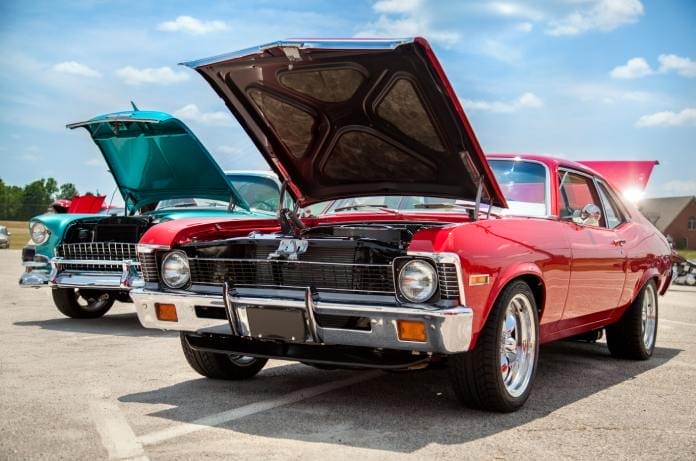
Owning a classic car is a dream for many enthusiasts, offering a unique blend of history, style, and driving pleasure. However, turning that dream into reality requires careful planning. To ensure your purchase is a joy rather than a burden, it’s essential to know what to consider before buying a classic car. Check out the key factors to help you make a smart investment and find the perfect vintage vehicle for you.
Research and Due Diligence
Before you even think about making an offer, dive deep into research. Every classic car model has its own quirks, common problems, and specific history. Look into the production years, different trims, and engine variations. Online forums, owner clubs, and specialized publications are invaluable resources for learning about the particular model you’re interested in. Investigate the car’s vehicle identification number (VIN) to check its history report for any recorded accidents, title issues, or discrepancies in its past. A thorough investigation upfront can save you from costly surprises down the road.
Condition and Restoration
Carefully evaluate the car’s current condition. Are you looking for a fully restored, show-ready vehicle, or are you prepared for a project? A car that appears to be in good shape on the surface may hide underlying issues like rust, frame damage, or a worn-out engine. It’s highly recommended to get a professional appraisal from a mechanic specializing in classic cars. They can provide a realistic assessment of its mechanical and structural integrity and estimate the potential costs of any necessary restoration work. Understanding this will help you budget accordingly.
Parts Availability
One of the practical challenges of owning a vintage vehicle is finding replacement parts. For some popular models, parts are widely available and relatively affordable through specialty suppliers. For rarer cars, however, sourcing components can be a difficult and expensive scavenger hunt. Before committing to a purchase, research the availability of common wear-and-tear items as well as more significant components like engine and transmission parts. This will give you a clear picture of what maintaining a classic car of that model will entail.
Storage and Maintenance
Classic cars require more than just a spot in your driveway. To protect your investment from the elements, rust, and theft, you will need a secure, dry storage space like a garage or a dedicated storage facility. Regular maintenance is also crucial to keep it in good running order. Unlike modern vehicles, classic cars often need more frequent attention, including fluid changes, tune-ups, and inspections. Be prepared to either learn the necessary skills to perform this work yourself or find a trusted mechanic who has experience with vintage automobiles.
Insurance and Legalities
Insuring a classic car is different from insuring a daily driver. You’ll need specialized classic car insurance, which often comes with mileage restrictions and specific storage requirements. These policies are usually based on an “agreed value” determined by you and the insurer, which protects your investment’s true worth. Also, check your state’s laws for antique vehicle registration, emissions, and safety requirements, as these can affect your ability to legally drive the car.
Thinking through these points is the best way to prepare for your journey into classic car ownership. By doing your homework on what to consider before buying a classic car, you can confidently select a vehicle that brings you years of enjoyment and pride.

- Pittsburgh Better Times
- Pittsburgh Better Times
- Pittsburgh Better Times
- Pittsburgh Better Times
- Pittsburgh Better Times
- Pittsburgh Better Times
- Pittsburgh Better Times
- Pittsburgh Better Times
- Pittsburgh Better Times
- Pittsburgh Better Times
- Pittsburgh Better Times
- Pittsburgh Better Times
- Pittsburgh Better Times
- Pittsburgh Better Times
- Pittsburgh Better Times
- Pittsburgh Better Times
- Pittsburgh Better Times
- Pittsburgh Better Times
- Pittsburgh Better Times
- Pittsburgh Better Times
- Pittsburgh Better Times
- Pittsburgh Better Times
- Pittsburgh Better Times
- Pittsburgh Better Times
- Pittsburgh Better Times
- Pittsburgh Better Times
- Pittsburgh Better Times
- Pittsburgh Better Times
- Pittsburgh Better Times
- Pittsburgh Better Times
- Pittsburgh Better Times
- Pittsburgh Better Times
- Pittsburgh Better Times
- Pittsburgh Better Times
- Pittsburgh Better Times
- Pittsburgh Better Times
- Pittsburgh Better Times
- Pittsburgh Better Times
- Pittsburgh Better Times
- Pittsburgh Better Times
- Pittsburgh Better Times
- Pittsburgh Better Times
- Pittsburgh Better Times
- Pittsburgh Better Times
- Pittsburgh Better Times
- Pittsburgh Better Times
- Pittsburgh Better Times
- Pittsburgh Better Times
- Pittsburgh Better Times
- Pittsburgh Better Times
- Pittsburgh Better Times
- Pittsburgh Better Times
- Pittsburgh Better Times
- Pittsburgh Better Times
- Pittsburgh Better Times
- Pittsburgh Better Times
- Pittsburgh Better Times
- Pittsburgh Better Times
- Pittsburgh Better Times
- Pittsburgh Better Times
- Pittsburgh Better Times
- Pittsburgh Better Times
- Pittsburgh Better Times
- Pittsburgh Better Times
- Pittsburgh Better Times
- Pittsburgh Better Times
- Pittsburgh Better Times
- Pittsburgh Better Times
- Pittsburgh Better Times
- Pittsburgh Better Times
- Pittsburgh Better Times
- Pittsburgh Better Times
- Pittsburgh Better Times
- Pittsburgh Better Times
- Pittsburgh Better Times
- Pittsburgh Better Times
- Pittsburgh Better Times
- Pittsburgh Better Times
- Pittsburgh Better Times
- Pittsburgh Better Times
- Pittsburgh Better Times
- Pittsburgh Better Times
- Pittsburgh Better Times
- Pittsburgh Better Times
- Pittsburgh Better Times
- Pittsburgh Better Times
- Pittsburgh Better Times
- Pittsburgh Better Times
- Pittsburgh Better Times
- Pittsburgh Better Times
- Pittsburgh Better Times
- Pittsburgh Better Times
- Pittsburgh Better Times
- Pittsburgh Better Times
- Pittsburgh Better Times
- Pittsburgh Better Times
- Pittsburgh Better Times
- Pittsburgh Better Times
- Pittsburgh Better Times
- Pittsburgh Better Times
- Pittsburgh Better Times
- Pittsburgh Better Times
- Pittsburgh Better Times
- Pittsburgh Better Times
- Pittsburgh Better Times
- Pittsburgh Better Times
- Pittsburgh Better Times
- Pittsburgh Better Times
- Pittsburgh Better Times
- Pittsburgh Better Times
- Pittsburgh Better Times
- Pittsburgh Better Times
- Pittsburgh Better Times
- Pittsburgh Better Times
- Pittsburgh Better Times
- Pittsburgh Better Times
- Pittsburgh Better Times
- Pittsburgh Better Times
- Pittsburgh Better Times
- Pittsburgh Better Times
- Pittsburgh Better Times
- Pittsburgh Better Times
- Pittsburgh Better Times
- Pittsburgh Better Times
- Pittsburgh Better Times
- Pittsburgh Better Times
- Pittsburgh Better Times
- Pittsburgh Better Times
- Pittsburgh Better Times
- Pittsburgh Better Times
- Pittsburgh Better Times
- Pittsburgh Better Times
- Pittsburgh Better Times
- Pittsburgh Better Times
- Pittsburgh Better Times
- Pittsburgh Better Times
- Pittsburgh Better Times
- Pittsburgh Better Times
- Pittsburgh Better Times
- Pittsburgh Better Times
- Pittsburgh Better Times
- Pittsburgh Better Times
- Pittsburgh Better Times
- Pittsburgh Better Times
- Pittsburgh Better Times
- Pittsburgh Better Times
- Pittsburgh Better Times
- Pittsburgh Better Times
- Pittsburgh Better Times
- Pittsburgh Better Times
- Pittsburgh Better Times
- Pittsburgh Better Times
- Pittsburgh Better Times
- Pittsburgh Better Times
- Pittsburgh Better Times
- Pittsburgh Better Times
- Pittsburgh Better Times
- Pittsburgh Better Times
- Pittsburgh Better Times
- Pittsburgh Better Times
- Pittsburgh Better Times
- Pittsburgh Better Times
- Pittsburgh Better Times
- Pittsburgh Better Times
- Pittsburgh Better Times
- Pittsburgh Better Times
- Pittsburgh Better Times
- Pittsburgh Better Times
- Pittsburgh Better Times
- Pittsburgh Better Times
- Pittsburgh Better Times
- Pittsburgh Better Times
- Pittsburgh Better Times
- Pittsburgh Better Times
- Pittsburgh Better Times
- Pittsburgh Better Times
- Pittsburgh Better Times
- Pittsburgh Better Times
- Pittsburgh Better Times
- Pittsburgh Better Times
- Pittsburgh Better Times
- Pittsburgh Better Times
- Pittsburgh Better Times
- Pittsburgh Better Times
- Pittsburgh Better Times
- Pittsburgh Better Times
- Pittsburgh Better Times
- Pittsburgh Better Times
- Pittsburgh Better Times
- Pittsburgh Better Times
- Pittsburgh Better Times
- Pittsburgh Better Times
- Pittsburgh Better Times
- Pittsburgh Better Times
- Pittsburgh Better Times
- Pittsburgh Better Times
- Pittsburgh Better Times
- Pittsburgh Better Times
- Pittsburgh Better Times
- Pittsburgh Better Times
- Pittsburgh Better Times
- Pittsburgh Better Times
- Pittsburgh Better Times
- Pittsburgh Better Times
- Pittsburgh Better Times
- Pittsburgh Better Times
- Pittsburgh Better Times
- Pittsburgh Better Times
- Pittsburgh Better Times
- Pittsburgh Better Times
- Pittsburgh Better Times
- Pittsburgh Better Times
- Pittsburgh Better Times
- Pittsburgh Better Times
- Pittsburgh Better Times
- Pittsburgh Better Times
- Pittsburgh Better Times
- Pittsburgh Better Times
- Pittsburgh Better Times
- Pittsburgh Better Times
- Pittsburgh Better Times
- Pittsburgh Better Times
- Pittsburgh Better Times
- Pittsburgh Better Times
- Pittsburgh Better Times
- Pittsburgh Better Times
- Pittsburgh Better Times
- Pittsburgh Better Times
- Pittsburgh Better Times
- Pittsburgh Better Times
- Pittsburgh Better Times
- Pittsburgh Better Times
- Pittsburgh Better Times
- Pittsburgh Better Times
- Pittsburgh Better Times
- Pittsburgh Better Times
- Pittsburgh Better Times
- Pittsburgh Better Times
- Pittsburgh Better Times
- Pittsburgh Better Times
- Pittsburgh Better Times
- Pittsburgh Better Times
- Pittsburgh Better Times
- Pittsburgh Better Times
- Pittsburgh Better Times
- Pittsburgh Better Times
- Pittsburgh Better Times
- Pittsburgh Better Times
- Pittsburgh Better Times
- Pittsburgh Better Times
- Pittsburgh Better Times
- Pittsburgh Better Times
- Pittsburgh Better Times
- Pittsburgh Better Times
- Pittsburgh Better Times
- Pittsburgh Better Times
- Pittsburgh Better Times
- Pittsburgh Better Times
- Pittsburgh Better Times
- Pittsburgh Better Times
- Pittsburgh Better Times
- Pittsburgh Better Times
- Pittsburgh Better Times
- Pittsburgh Better Times
- Pittsburgh Better Times
- Pittsburgh Better Times
- Pittsburgh Better Times
- Pittsburgh Better Times
- Pittsburgh Better Times
- Pittsburgh Better Times
- Pittsburgh Better Times
- Pittsburgh Better Times
- Pittsburgh Better Times
- Pittsburgh Better Times
- Pittsburgh Better Times
- Pittsburgh Better Times
- Pittsburgh Better Times
- Pittsburgh Better Times
- Pittsburgh Better Times
- Pittsburgh Better Times
- Pittsburgh Better Times
- Pittsburgh Better Times
- Pittsburgh Better Times
- Pittsburgh Better Times
- Pittsburgh Better Times
- Pittsburgh Better Times
- Pittsburgh Better Times
- Pittsburgh Better Times
- Pittsburgh Better Times
- Pittsburgh Better Times
- Pittsburgh Better Times
- Pittsburgh Better Times
- Pittsburgh Better Times
- Pittsburgh Better Times
- Pittsburgh Better Times
- Pittsburgh Better Times
- Pittsburgh Better Times
- Pittsburgh Better Times
- Pittsburgh Better Times
- Pittsburgh Better Times
- Pittsburgh Better Times
- Pittsburgh Better Times
- Pittsburgh Better Times
- Pittsburgh Better Times
- Pittsburgh Better Times
- Pittsburgh Better Times
- Pittsburgh Better Times
- Pittsburgh Better Times
- Pittsburgh Better Times
- Pittsburgh Better Times
- Pittsburgh Better Times
- Pittsburgh Better Times
- Pittsburgh Better Times
- Pittsburgh Better Times
- Pittsburgh Better Times
- Pittsburgh Better Times
- Pittsburgh Better Times
- Pittsburgh Better Times
- Pittsburgh Better Times
- Pittsburgh Better Times
- Pittsburgh Better Times
- Pittsburgh Better Times
- Pittsburgh Better Times
- Pittsburgh Better Times
- Pittsburgh Better Times
- Pittsburgh Better Times
- Pittsburgh Better Times
- Pittsburgh Better Times
- Pittsburgh Better Times
- Pittsburgh Better Times
- Pittsburgh Better Times
- Pittsburgh Better Times
- Pittsburgh Better Times
- Pittsburgh Better Times
- Pittsburgh Better Times
- Pittsburgh Better Times
- Pittsburgh Better Times
- Pittsburgh Better Times
- Pittsburgh Better Times
- Pittsburgh Better Times
- Pittsburgh Better Times
- Pittsburgh Better Times
- Pittsburgh Better Times
- Pittsburgh Better Times
- Pittsburgh Better Times
- Pittsburgh Better Times
- Pittsburgh Better Times
- Pittsburgh Better Times
- Pittsburgh Better Times
- Pittsburgh Better Times
- Pittsburgh Better Times
- Pittsburgh Better Times
- Pittsburgh Better Times
- Pittsburgh Better Times
- Pittsburgh Better Times
- Pittsburgh Better Times
- Pittsburgh Better Times
- Pittsburgh Better Times
- Pittsburgh Better Times
- Pittsburgh Better Times
- Pittsburgh Better Times
- Pittsburgh Better Times
- Pittsburgh Better Times
- Pittsburgh Better Times
- Pittsburgh Better Times
- Pittsburgh Better Times
- Pittsburgh Better Times
- Pittsburgh Better Times
- Pittsburgh Better Times
- Pittsburgh Better Times
- Pittsburgh Better Times
- Pittsburgh Better Times
- Pittsburgh Better Times
- Pittsburgh Better Times
- Pittsburgh Better Times
- Pittsburgh Better Times
- Pittsburgh Better Times
- Pittsburgh Better Times
- Pittsburgh Better Times
- Pittsburgh Better Times
- Pittsburgh Better Times
- Pittsburgh Better Times
- Pittsburgh Better Times
- Pittsburgh Better Times
- Pittsburgh Better Times
- Pittsburgh Better Times
- Pittsburgh Better Times
- Pittsburgh Better Times
- Pittsburgh Better Times
- Pittsburgh Better Times
- Pittsburgh Better Times
- Pittsburgh Better Times
- Pittsburgh Better Times
- Pittsburgh Better Times
- Pittsburgh Better Times
- Pittsburgh Better Times
- Pittsburgh Better Times
- Pittsburgh Better Times
- Pittsburgh Better Times
- Pittsburgh Better Times
- Pittsburgh Better Times
- Pittsburgh Better Times
- Pittsburgh Better Times
- Pittsburgh Better Times
- Pittsburgh Better Times
- Pittsburgh Better Times
- Pittsburgh Better Times
- Pittsburgh Better Times
- Pittsburgh Better Times
- Pittsburgh Better Times
- Pittsburgh Better Times
- Pittsburgh Better Times
- Pittsburgh Better Times
- Pittsburgh Better Times
- Pittsburgh Better Times
- Pittsburgh Better Times
- Pittsburgh Better Times
- Pittsburgh Better Times
- Pittsburgh Better Times
- Pittsburgh Better Times
- Pittsburgh Better Times
- Pittsburgh Better Times
- Pittsburgh Better Times
- Pittsburgh Better Times
- Pittsburgh Better Times
- Pittsburgh Better Times
- Pittsburgh Better Times
- Pittsburgh Better Times
- Pittsburgh Better Times
- Pittsburgh Better Times
- Pittsburgh Better Times
- Pittsburgh Better Times
- Pittsburgh Better Times
- Pittsburgh Better Times
- Pittsburgh Better Times
- Pittsburgh Better Times
- Pittsburgh Better Times
- Pittsburgh Better Times
- Pittsburgh Better Times
- Pittsburgh Better Times
- Pittsburgh Better Times
- Pittsburgh Better Times
- Pittsburgh Better Times
- Pittsburgh Better Times
- Pittsburgh Better Times
- Pittsburgh Better Times
- Pittsburgh Better Times
- Pittsburgh Better Times
- Pittsburgh Better Times
- Pittsburgh Better Times
- Pittsburgh Better Times
- Pittsburgh Better Times
- Pittsburgh Better Times
- Pittsburgh Better Times
- Pittsburgh Better Times
- Pittsburgh Better Times
- Pittsburgh Better Times
- Pittsburgh Better Times
- Pittsburgh Better Times
- Pittsburgh Better Times
- Pittsburgh Better Times
- Pittsburgh Better Times
- Pittsburgh Better Times
- Pittsburgh Better Times
- Pittsburgh Better Times
- Pittsburgh Better Times
- Pittsburgh Better Times
- Pittsburgh Better Times
- Pittsburgh Better Times
- Pittsburgh Better Times
- Pittsburgh Better Times
- Pittsburgh Better Times
- Pittsburgh Better Times
- Pittsburgh Better Times
- Pittsburgh Better Times
- Pittsburgh Better Times
- Pittsburgh Better Times
- Pittsburgh Better Times
- Pittsburgh Better Times
- Pittsburgh Better Times
- Pittsburgh Better Times
- Pittsburgh Better Times
- Pittsburgh Better Times
- Pittsburgh Better Times
- Pittsburgh Better Times
- Pittsburgh Better Times
- Pittsburgh Better Times
- Pittsburgh Better Times
- Pittsburgh Better Times
- Pittsburgh Better Times
- Pittsburgh Better Times
- Pittsburgh Better Times
- Pittsburgh Better Times
- Pittsburgh Better Times
- Pittsburgh Better Times
- Pittsburgh Better Times
- Pittsburgh Better Times
- Pittsburgh Better Times
- Pittsburgh Better Times
- Pittsburgh Better Times
- Pittsburgh Better Times
- Pittsburgh Better Times
- Pittsburgh Better Times
- Pittsburgh Better Times
- Pittsburgh Better Times
- Pittsburgh Better Times
- Pittsburgh Better Times
- Pittsburgh Better Times
- Pittsburgh Better Times
- Pittsburgh Better Times
- Pittsburgh Better Times
- Pittsburgh Better Times
- Pittsburgh Better Times
- Pittsburgh Better Times
- Pittsburgh Better Times
- Pittsburgh Better Times
- Pittsburgh Better Times
- Pittsburgh Better Times
- Pittsburgh Better Times
- Pittsburgh Better Times
- Pittsburgh Better Times
- Pittsburgh Better Times
- Pittsburgh Better Times
- Pittsburgh Better Times
- Pittsburgh Better Times
- Pittsburgh Better Times
- Pittsburgh Better Times
- Pittsburgh Better Times
- Pittsburgh Better Times
- Pittsburgh Better Times
- Pittsburgh Better Times
- Pittsburgh Better Times
- Pittsburgh Better Times
- Pittsburgh Better Times
- Pittsburgh Better Times
- Pittsburgh Better Times
- Pittsburgh Better Times
- Pittsburgh Better Times
- Pittsburgh Better Times
- Pittsburgh Better Times
- Pittsburgh Better Times
- Pittsburgh Better Times
- Pittsburgh Better Times
- Pittsburgh Better Times
- Pittsburgh Better Times
- Pittsburgh Better Times
- Pittsburgh Better Times
- Pittsburgh Better Times
- Pittsburgh Better Times
- Pittsburgh Better Times
- Pittsburgh Better Times
- Pittsburgh Better Times
- Pittsburgh Better Times
- Pittsburgh Better Times
- Pittsburgh Better Times
- Pittsburgh Better Times
- Pittsburgh Better Times
- Pittsburgh Better Times
- Pittsburgh Better Times
- Pittsburgh Better Times
- Pittsburgh Better Times
- Pittsburgh Better Times
- Pittsburgh Better Times
- Pittsburgh Better Times
- Pittsburgh Better Times
- Pittsburgh Better Times
- Pittsburgh Better Times
- Pittsburgh Better Times
- Pittsburgh Better Times
- Pittsburgh Better Times
- Pittsburgh Better Times
- Pittsburgh Better Times
- Pittsburgh Better Times
- Pittsburgh Better Times
- Pittsburgh Better Times
- Pittsburgh Better Times
- Pittsburgh Better Times
- Pittsburgh Better Times
- Pittsburgh Better Times
- Pittsburgh Better Times
- Pittsburgh Better Times
- Pittsburgh Better Times
- Pittsburgh Better Times
- Pittsburgh Better Times
- Pittsburgh Better Times
- Pittsburgh Better Times
- Pittsburgh Better Times
- Pittsburgh Better Times
- Pittsburgh Better Times
- Pittsburgh Better Times
- Pittsburgh Better Times
- Pittsburgh Better Times
- Pittsburgh Better Times
- Pittsburgh Better Times
- Pittsburgh Better Times
- Pittsburgh Better Times
- Pittsburgh Better Times
- Pittsburgh Better Times
- Pittsburgh Better Times
- Pittsburgh Better Times
- Pittsburgh Better Times
- Pittsburgh Better Times
- Pittsburgh Better Times
- Pittsburgh Better Times
- Pittsburgh Better Times
- Pittsburgh Better Times
- Pittsburgh Better Times
- Pittsburgh Better Times
- Pittsburgh Better Times
- Pittsburgh Better Times
- Pittsburgh Better Times
- Pittsburgh Better Times
- Pittsburgh Better Times
- Pittsburgh Better Times
- Pittsburgh Better Times
- Pittsburgh Better Times
- Pittsburgh Better Times
- Pittsburgh Better Times
- Pittsburgh Better Times
- Pittsburgh Better Times
- Pittsburgh Better Times
- Pittsburgh Better Times
- Pittsburgh Better Times
- Pittsburgh Better Times
- Pittsburgh Better Times
- Pittsburgh Better Times
- Pittsburgh Better Times
- Pittsburgh Better Times
- Pittsburgh Better Times
- Pittsburgh Better Times
- Pittsburgh Better Times
- Pittsburgh Better Times
- Pittsburgh Better Times
- Pittsburgh Better Times
- Pittsburgh Better Times
- Pittsburgh Better Times
- Pittsburgh Better Times
- Pittsburgh Better Times
- Pittsburgh Better Times
- Pittsburgh Better Times
- Pittsburgh Better Times
- Pittsburgh Better Times
- Pittsburgh Better Times
- Pittsburgh Better Times
- Pittsburgh Better Times
- Pittsburgh Better Times
- Pittsburgh Better Times
- Pittsburgh Better Times
- Pittsburgh Better Times
- Pittsburgh Better Times
- Pittsburgh Better Times
- Pittsburgh Better Times
- Pittsburgh Better Times
- Pittsburgh Better Times
- Pittsburgh Better Times
- Pittsburgh Better Times
- Pittsburgh Better Times
- Pittsburgh Better Times
- Pittsburgh Better Times
- Pittsburgh Better Times
- Pittsburgh Better Times
- Pittsburgh Better Times
- Pittsburgh Better Times
- Pittsburgh Better Times
- Pittsburgh Better Times
- Pittsburgh Better Times
- Pittsburgh Better Times
- Pittsburgh Better Times
- Pittsburgh Better Times
- Pittsburgh Better Times
- Pittsburgh Better Times
- Pittsburgh Better Times
- Pittsburgh Better Times
- Pittsburgh Better Times
- Pittsburgh Better Times
- Pittsburgh Better Times
- Pittsburgh Better Times
- Pittsburgh Better Times
- Pittsburgh Better Times
- Pittsburgh Better Times
- Pittsburgh Better Times
- Pittsburgh Better Times
- Pittsburgh Better Times
- Pittsburgh Better Times
- Pittsburgh Better Times
- Pittsburgh Better Times
- Pittsburgh Better Times
- Pittsburgh Better Times
- Pittsburgh Better Times
- Pittsburgh Better Times
- Pittsburgh Better Times
- Pittsburgh Better Times
- Pittsburgh Better Times
- Pittsburgh Better Times
- Pittsburgh Better Times
- Pittsburgh Better Times
- Pittsburgh Better Times
- Pittsburgh Better Times
- Pittsburgh Better Times
- Pittsburgh Better Times
- Pittsburgh Better Times
- Pittsburgh Better Times
- Pittsburgh Better Times
- Pittsburgh Better Times
- Pittsburgh Better Times
- Pittsburgh Better Times
- Pittsburgh Better Times
- Pittsburgh Better Times
- Pittsburgh Better Times
- Pittsburgh Better Times
- Pittsburgh Better Times
- Pittsburgh Better Times
- Pittsburgh Better Times
- Pittsburgh Better Times
- Pittsburgh Better Times
- Pittsburgh Better Times
- Pittsburgh Better Times
- Pittsburgh Better Times
- Pittsburgh Better Times
- Pittsburgh Better Times
- Pittsburgh Better Times
- Pittsburgh Better Times
- Pittsburgh Better Times
- Pittsburgh Better Times
- Pittsburgh Better Times
- Pittsburgh Better Times
- Pittsburgh Better Times
- Pittsburgh Better Times
- Pittsburgh Better Times
- Pittsburgh Better Times
- Pittsburgh Better Times
- Pittsburgh Better Times
- Pittsburgh Better Times
- Pittsburgh Better Times
- Pittsburgh Better Times
- Pittsburgh Better Times
- Pittsburgh Better Times
- Pittsburgh Better Times
- Pittsburgh Better Times
- Pittsburgh Better Times
- Pittsburgh Better Times
- Pittsburgh Better Times
- Pittsburgh Better Times
- Pittsburgh Better Times
- Pittsburgh Better Times
- Pittsburgh Better Times
- Pittsburgh Better Times
- Pittsburgh Better Times
- Pittsburgh Better Times
- Pittsburgh Better Times
- Pittsburgh Better Times
- Pittsburgh Better Times
- Pittsburgh Better Times
- Pittsburgh Better Times
- Pittsburgh Better Times
- Pittsburgh Better Times
- Pittsburgh Better Times
- Pittsburgh Better Times
- Pittsburgh Better Times
- Pittsburgh Better Times
- Pittsburgh Better Times
- Pittsburgh Better Times
- Pittsburgh Better Times
- Pittsburgh Better Times
- Pittsburgh Better Times
- Pittsburgh Better Times
- Pittsburgh Better Times
- Pittsburgh Better Times
- Pittsburgh Better Times
- Pittsburgh Better Times
- Pittsburgh Better Times
- Pittsburgh Better Times
- Pittsburgh Better Times
- Pittsburgh Better Times
- Pittsburgh Better Times
- Pittsburgh Better Times
- Pittsburgh Better Times
- Pittsburgh Better Times
- Pittsburgh Better Times
- Pittsburgh Better Times
- Pittsburgh Better Times
- Pittsburgh Better Times
- Pittsburgh Better Times
- Pittsburgh Better Times
- Pittsburgh Better Times
- Pittsburgh Better Times
- Pittsburgh Better Times
- Pittsburgh Better Times
- Pittsburgh Better Times
- Pittsburgh Better Times
- Pittsburgh Better Times
- Pittsburgh Better Times
- Pittsburgh Better Times
- Pittsburgh Better Times
- Pittsburgh Better Times
- Pittsburgh Better Times
- Pittsburgh Better Times
- Pittsburgh Better Times
- Pittsburgh Better Times
- Pittsburgh Better Times
- Pittsburgh Better Times
- Pittsburgh Better Times
- Pittsburgh Better Times
- Pittsburgh Better Times
- Pittsburgh Better Times
- Pittsburgh Better Times
- Pittsburgh Better Times
- Pittsburgh Better Times
- Pittsburgh Better Times
- Pittsburgh Better Times
- Pittsburgh Better Times
- Pittsburgh Better Times
- Pittsburgh Better Times
- Pittsburgh Better Times
- Pittsburgh Better Times
- Pittsburgh Better Times
- Pittsburgh Better Times
- Pittsburgh Better Times
- Pittsburgh Better Times
- Pittsburgh Better Times
- Pittsburgh Better Times
- Pittsburgh Better Times
- Pittsburgh Better Times
- Pittsburgh Better Times
- Pittsburgh Better Times
- Pittsburgh Better Times
- Pittsburgh Better Times
- Pittsburgh Better Times
- Pittsburgh Better Times
- Pittsburgh Better Times
- Pittsburgh Better Times
- Pittsburgh Better Times
- Pittsburgh Better Times
- Pittsburgh Better Times
- Pittsburgh Better Times
- Pittsburgh Better Times
- Pittsburgh Better Times
- Pittsburgh Better Times
- Pittsburgh Better Times
- Pittsburgh Better Times
- Pittsburgh Better Times
- Pittsburgh Better Times
- Pittsburgh Better Times
- Pittsburgh Better Times
- Pittsburgh Better Times
- Pittsburgh Better Times
- Pittsburgh Better Times
- Pittsburgh Better Times
- Pittsburgh Better Times
- Pittsburgh Better Times
- Pittsburgh Better Times
- Pittsburgh Better Times
- Pittsburgh Better Times
- Pittsburgh Better Times
- Pittsburgh Better Times
- Pittsburgh Better Times
- Pittsburgh Better Times
- Pittsburgh Better Times
- Pittsburgh Better Times
- Pittsburgh Better Times
- Pittsburgh Better Times
- Pittsburgh Better Times
- Pittsburgh Better Times
- Pittsburgh Better Times
- Pittsburgh Better Times
- Pittsburgh Better Times
- Pittsburgh Better Times
- Pittsburgh Better Times
- Pittsburgh Better Times
- Pittsburgh Better Times
- Pittsburgh Better Times
- Pittsburgh Better Times
- Pittsburgh Better Times
- Pittsburgh Better Times
- Pittsburgh Better Times
- Pittsburgh Better Times
- Pittsburgh Better Times
- Pittsburgh Better Times
- Pittsburgh Better Times
- Pittsburgh Better Times
- Pittsburgh Better Times
- Pittsburgh Better Times
- Pittsburgh Better Times
- Pittsburgh Better Times
- Pittsburgh Better Times
- Pittsburgh Better Times
- Pittsburgh Better Times
- Pittsburgh Better Times
- Pittsburgh Better Times
- Pittsburgh Better Times
- Pittsburgh Better Times
- Pittsburgh Better Times
- Pittsburgh Better Times
- Pittsburgh Better Times
- Pittsburgh Better Times
- Pittsburgh Better Times
- Pittsburgh Better Times
- Pittsburgh Better Times
- Pittsburgh Better Times
- Pittsburgh Better Times
- Pittsburgh Better Times
- Pittsburgh Better Times
- Pittsburgh Better Times
- Pittsburgh Better Times
- Pittsburgh Better Times
- Pittsburgh Better Times
- Pittsburgh Better Times
- Pittsburgh Better Times
- Pittsburgh Better Times
- Pittsburgh Better Times
- Pittsburgh Better Times


